
Orchestration
Fiber turns complex, multi-step onchain activity into simple actions inside one app.
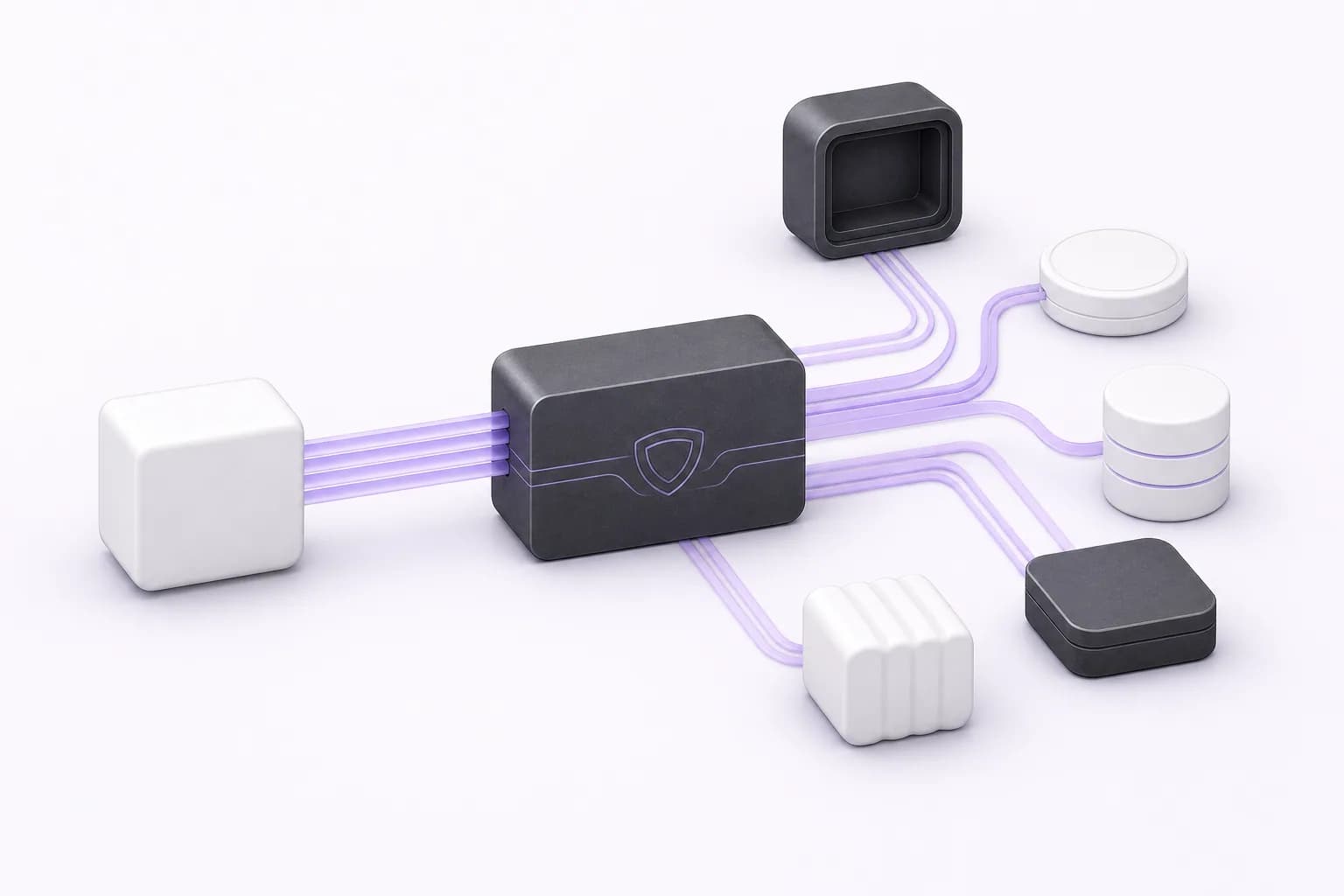
A single deposit, transfer, trade, or rewards action may involve multiple networks, protocols, and transactions underneath. Fiber coordinates those steps so users do not need to manage bridges, privacy tools, gas, temporary addresses, or vault positions themselves.
What Orchestration Absorbs
Without orchestration, users may need to:
- Select the correct network and asset
- Manage gas and bridging
- Interact directly with privacy protocols
- Find and execute trading routes
- Return assets to a private balance
- Enter or exit rewards strategies
- Track several transactions for one intended action
Fiber turns these steps into familiar product actions: deposit, send, buy, sell, and earn rewards.
Examples in the Product
Deposits. Funds may arrive on a supported network before being routed into Fiber’s private environment. The deposit can appear in activity while the remaining steps are still processing.
Trades. Buying or selling crypto, digital metals, or tokenized US stocks may involve moving funds through a one-time address, executing the trade, and returning the resulting asset to the user’s private wallet.
Rewards. Eligible stablecoins may be routed into a supported third-party strategy, with the resulting position returned to the user’s private wallet.
Fiber coordinates these steps and shows the status of each action inside the app.
Orchestration Without Custody
Orchestration is allowed to be opinionated. It is not allowed to become custody.
Fiber can determine the route, prepare the required transactions, and coordinate the sequence of steps. The user still authorizes the action.
This means:
- Multi-step flows can be automated through the interface
- Transactions still require user authorization
- Fiber is not designed to independently move user assets
- Failures appear as transaction states rather than invented balances
- Network and asset differences may affect timing without changing ownership
Complexity Beneath the Surface
Orchestration does not eliminate the underlying complexity. It moves that complexity beneath a simpler interface.
The benefit is that users can access private, multi-network onchain finance without operating several wallets, protocols, and transaction flows themselves.
The trade-off is that one visible action may depend on several underlying steps. When an action is delayed or fails, the issue may exist somewhere within that sequence rather than in a single transaction.
Fiber uses clear processing states, activity history, and transaction details to show users where an action stands.