
Why Fiber
As global work and stablecoin adoption reshape finance, privacy and sovereignty matter more than ever.
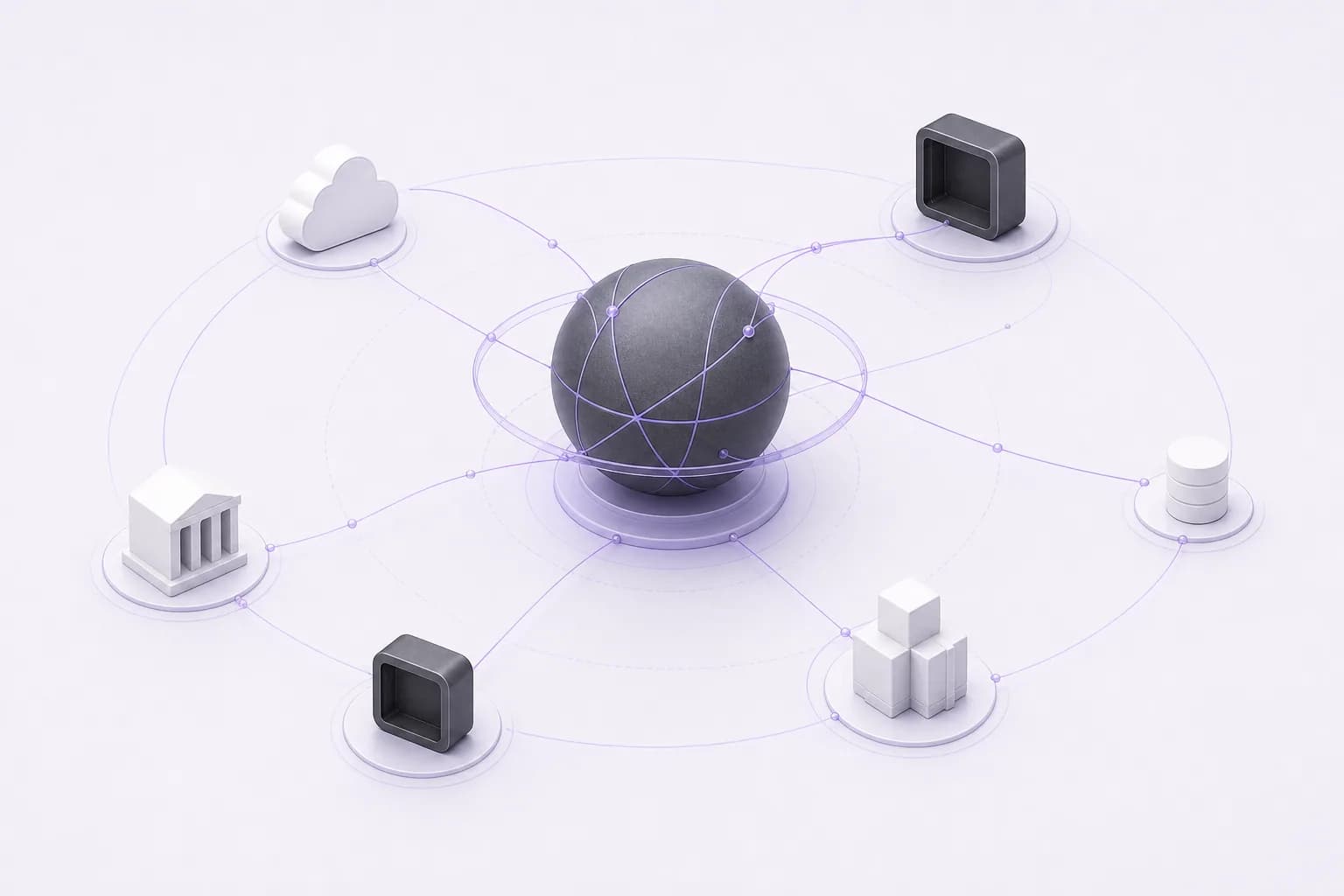
The nature of work has changed.
More people now work remotely, earn internationally, and collaborate across borders. At the same time, stablecoins and onchain finance are becoming increasingly important for receiving payments, holding value, and accessing global financial opportunities.
Financial products need to evolve alongside this shift. While new tools have made global money movement easier, privacy and individual control cannot be treated as optional.
Fiber was built to offer a better way forward: a financial platform that respects individual privacy and sovereignty while delivering the simplicity and utility people expect from a modern financial app.
Who Fiber is for
Fiber is for people who already receive, hold, or use stablecoins and want a more private, intuitive, and complete way to manage their financial lives.
This includes:
- Global earners, remote workers, and freelancers
- People paid across borders or in stablecoins
- Crypto-native and crypto-adjacent users
- Investors who want to hold, trade, and grow digital wealth in one place
- People navigating unstable, restrictive, or limited local financial systems
- Anyone who values greater privacy, ownership, and control over their money
Why we built Fiber
Today’s products often force users to choose between convenience, privacy, and control.
Traditional financial apps can be easy to use, but they depend on institutions to hold, monitor, and control access to user funds. Crypto wallets provide greater ownership, but often come with public transaction histories, seed phrases, gas fees, fragmented products, and difficult user experiences.
Fiber was built to remove that trade-off.
It brings privacy-first financial activity, non-custodial infrastructure, stablecoins, rewards, investing, and payment tools into one approachable experience.
Our goal is to make global, onchain finance practical for everyday use—without asking people to give up their privacy, sovereignty, or user experience.